
Table of Contents:
- What Ramadan Really Means in the UAE
- How Ramadan Traditions Come to Life in Dubai
- Iftar Experiences You Can't Miss
- The Suhoor Scene: Dubai After Dark
- Spiritual and Cultural Experiences
- Unique Things to Do During Ramadan
- Ramadan Etiquette: What Visitors Need to Know
- Eid al-Fitr: The Grand Finale
- Practical Tips
- FAQs
Experiencing Ramadan in Dubai: A Complete Guide to the Holy Month
There's something truly magical about spending Ramadan in Dubai. The city transforms completely during this blessed month, skyscrapers light up with crescent moons and stars, the pace of life shifts to a gentler rhythm, and there's this palpable sense of spirituality that fills the air, even in the middle of this ultra-modern metropolis.
Whether you're planning to visit Dubai during Ramadan or you're just curious about how this global city observes the holiest month in the Islamic calendar, we will walk you through everything you need to know.
What Ramadan Really Means in the UAE
Ramadan is the ninth month of the Islamic lunar calendar, during which Muslims fast from dawn to sunset. Beyond abstaining from food and drink, it is a time of spiritual reflection, prayer, charity, and strengthening family and community ties.
In Dubai and across the UAE, Ramadan is observed with deep respect and a unique atmosphere. Working hours are reduced, restaurants adjust their schedules, and shopping malls and public spaces come alive after sunset. The city takes on a vibrant nighttime energy throughout the month.
Dubai stands out for balancing strong Islamic traditions with a welcoming, multicultural environment.
How Ramadan Traditions Come to Life in Dubai
The Rhythm of Fasting
During Ramadan, Muslims wake up before dawn for Suhoor (the pre-fast meal), then begin their fast at Fajr (dawn prayer). The fast continues until Maghrib (sunset prayer), when it's broken with Iftar. In Dubai, you'll hear the call to prayer five times daily from the city's numerous mosques, it's a beautiful reminder of the spiritual significance of this time.
Iftar and Suhoor: More Than Just Meals
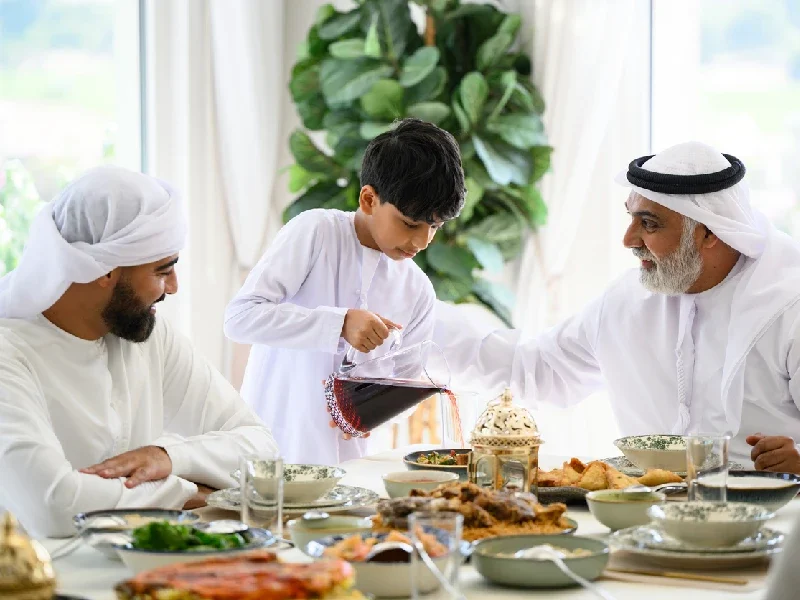
Iftar is the meal that breaks the fast, traditionally starting with dates and water, following the practice of Prophet Muhammad (peace be upon him). In Dubai, this simple tradition has evolved into elaborate affairs, but the essence remains the same, it's about gratitude, community, and togetherness.
Suhoor, the pre-dawn meal, has become almost as important as Iftar in Dubai's Ramadan culture. It's not just about eating before the fast begins; it's become a vibrant social scene with restaurants staying open until the early morning hours.
The Community Spirit
Ramadan in Dubai is marked by an overwhelming sense of generosity. You'll see wealthy families setting up Iftar tents for workers and those less fortunate. Companies organize communal Iftars for employees. Neighbors share food with each other. There's this tangible feeling of unity that transcends nationality, income level, or background.
Discover the spirit of Ramadan with our Dubai tours
Iftar Experiences You Can't Miss
Luxury Hotel Iftars
Dubai’s five-star hotels transform Iftar into a grand dining experience, featuring extensive buffets with Arabic specialties, international cuisine, live cooking stations, and impressive dessert displays. Venues like Burj Al Arab, Atlantis The Palm, and Address Downtown offer elegant settings and premium service. Prices usually range from 200–500 AED per person, making them ideal for a special Ramadan evening.
Traditional Ramadan Tents
For a more cultural experience, traditional Ramadan tents recreate an Arabian atmosphere with rich décor, lanterns, and majlis-style seating. Places like the Sheikh Mohammed Centre for Cultural Understanding offer authentic Emirati dishes alongside insights into local customs. Al Majlis at Madinat Jumeirah is especially popular for its beautiful sunset views and serene ambiance.
Budget-Friendly Options
Great Iftar options don’t require a large budget. Restaurants in Deira, Al Rigga, and Bur Dubai serve generous and authentic buffets starting from 50–75 AED. In addition, many mosques host free community Iftars open to the public, offering a simple and meaningful way to experience the true spirit of Ramadan.
The Suhoor Scene: Dubai After Dark
Late-Night Dining Culture
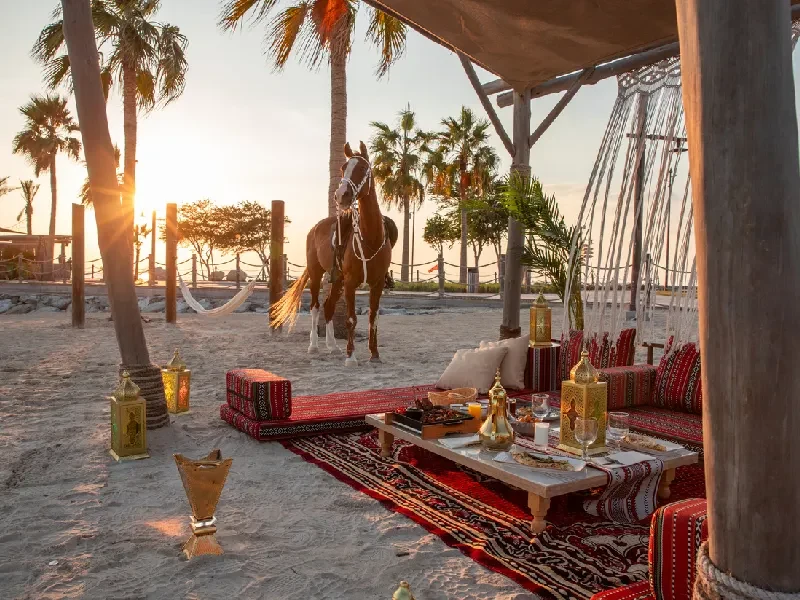
During Ramadan, Dubai embraces a vibrant late-night lifestyle. After Iftar, the city stays lively well into the early hours, especially during Suhoor (around 10 PM to 3 AM). Restaurants, cafés, and outdoor venues fill with families and friends gathering before the next day’s fast. When the weather is pleasant, beachfronts, parks, and terraces become popular spots for relaxed outdoor dining.
Best Suhoor Spots
For a traditional atmosphere, areas like Al Seef and Al Fahidi Historical District offer authentic Arabic dishes in charming heritage settings. For a more modern experience, City Walk, JBR, and Dubai Marina provide diverse dining options, from Middle Eastern favorites to international cuisine, along with a lively social scene that defines Ramadan nights in Dubai.
Spiritual and Cultural Experiences
Mosque Visits
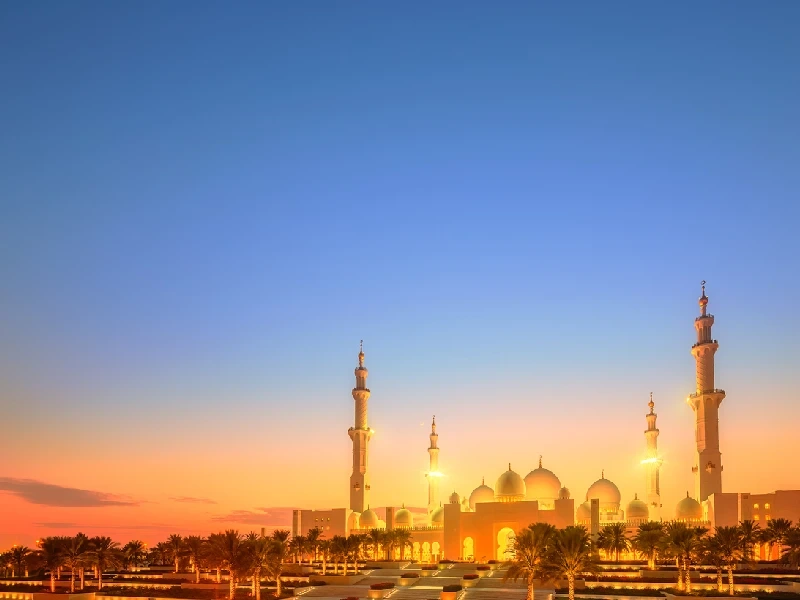
Ramadan is an ideal time to visit Dubai's mosques if you're interested in Islamic culture and architecture. The Jumeirah Mosque is particularly welcoming to non-Muslims and offers special tours during Ramadan.
Night Markets and Bazaars
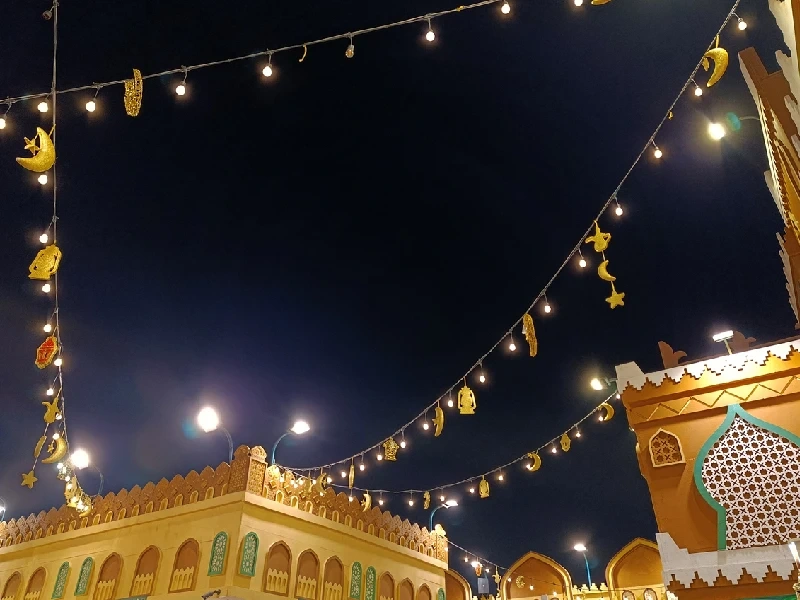
Ramadan brings out special night markets across Dubai. These aren't your typical tourist markets, they're where locals shop for dates, traditional sweets, prayer mats, and Ramadan decorations. The markets at locations like Al Rigga and Meena Bazaar are particularly atmospheric.
Dubai Festival City Mall hosts a Ramadan Night Market with food stalls, entertainment, and shopping deals that run late into the night.
Explore Dubai this Ramadan with our travel packages
Unique Things to Do During Ramadan
Desert Iftar Adventures
Want something truly unforgettable? Book a desert Iftar experience. Several tour operators offer packages where you're driven out to the desert, can try activities like camel riding or sandboarding, then break your fast in a traditional Bedouin-style camp under the stars. It's touristy, sure, but it's also genuinely magical.

Dhow Cruise Iftars
Breaking your fast on a traditional wooden dhow boat while cruising Dubai Creek or the Marina is another uniquely Dubai experience. As the sun sets and you hear the call to prayer echoing across the water, you break your fast with dates and Arabic coffee before enjoying a buffet dinner as the boat glides past illuminated landmarks. It combines sightseeing with cultural experience in a way that just works.
Shopping During Ramadan
If you're into shopping, Ramadan in Dubai is prime time. Malls extend their hours, staying open until midnight or later, and there are sales everywhere. The Dubai Shopping Festival sometimes coincides with Ramadan, meaning discounts on discounts. Plus, shopping malls are beautifully decorated for the occasion, and many host special entertainment and activities.

Ramadan Etiquette: What Visitors Need to Know
Dress Code Basics
Dubai is generally more relaxed than some other Middle Eastern destinations, but during Ramadan, it's important to dress more conservatively out of respect. This means covering your shoulders and knees. Women don't need to cover their hair (unless visiting a mosque), but think modest rather than revealing.
General Behavior Tips
Keep public displays of affection to a minimum (this is good advice for Dubai year-round, honestly). Be mindful of noise levels during the day. If you're taking photos, always ask permission before photographing people, especially during prayer times. Also, be patient, services might be slower during fasting hours, and that's completely understandable.
Eid al-Fitr: The Grand Finale
How Dubai Celebrates
Ramadan culminates in Eid al-Fitr, the "Festival of Breaking the Fast," which is honestly like New Year's, Christmas, and a birthday party all rolled into one. It's typically a 3-4 day public holiday in the UAE.
Fireworks and Festivities
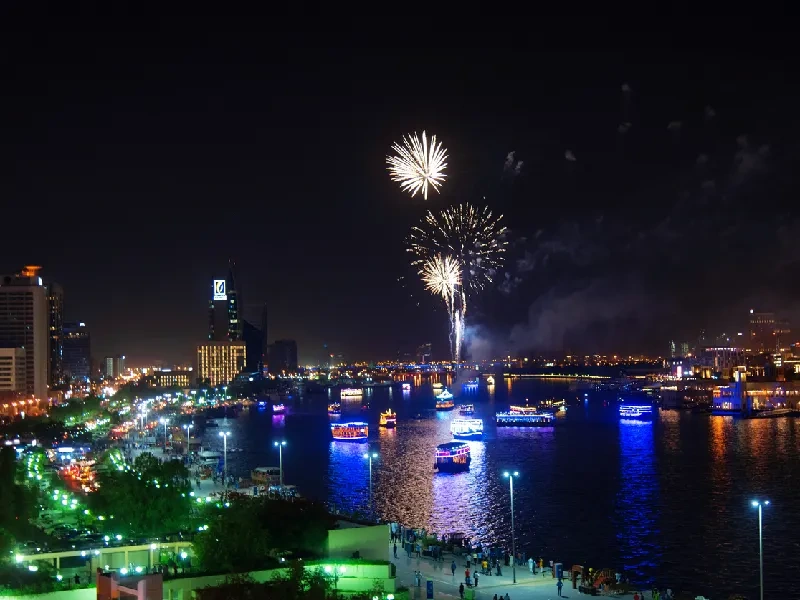
Expect spectacular fireworks displays across the city, Burj Khalifa usually puts on an incredible show. Shopping malls host special entertainment, including concerts, magic shows, and children's activities. Many attractions offer special Eid promotions and extended hours.
Special Events
Dubai really leans into Eid celebrations. Global Village (if still in season), IMG Worlds of Adventure, and other major attractions often have special Eid programming. Parks and beaches fill up with families having picnics and enjoying the festive atmosphere. It's a genuinely joyful time to be in the city.
Practical Tips
What to Expect as a Tourist
Honestly? You might have one of your best Dubai experiences during Ramadan. Yes, some things operate differently, alcohol service is limited even in hotels, some restaurants are closed during the day, and club/bar scenes are quieter. But the cultural richness, the special events, the amazing food, and the unique atmosphere more than make up for it.
Hotel rates are often lower during Ramadan (except during Eid), so you get better value. Tourist attractions are less crowded during the day. And you get to experience a side of Dubai that many visitors never see.
Quick Practical Advice
Plan your day around Iftar timing, traffic gets absolutely insane just before sunset as everyone rushes to get home or to restaurants. Book Iftar reservations in advance, especially at popular venues. Carry water with you. And most importantly, embrace the experience with an open mind and respectful attitude.
FAQs
Q1. What is Ramadan in Dubai like?
You’ll experience a city that slows down during the day, comes alive at night, and blends tradition with modern celebrations.
Q2. Can I eat or drink in public during Ramadan?
You should avoid eating, drinking, or smoking in public during daylight hours out of respect for those fasting.
Q3. What are the best places for Iftar in Dubai?
You can enjoy Iftar at luxury hotels, traditional Ramadan tents, or local restaurants offering authentic Arabic cuisine.
Q4. Where should I go for Suhoor?
You can head to heritage areas like Al Seef or modern spots like JBR and Dubai Marina for late-night dining.
Q5. Are non-Muslims welcome to Ramadan events?
Yes, you can join Iftar experiences, mosque tours, and cultural events, as long as you respect local customs.
Ready to experience Dubai's Ramadan? Explore our travel packages at Middle East Trips.
Related Tours
Unforgettable Dubai Birthday Tour Package
Make your Birthday Celebration in Dubai extraordinary with private yacht cruises, gourmet dining & VIP treatment against iconic backdrops!
- 6 Days / 5 Nights
- Small Group Tour
Classic Dubai and Egypt Trip
Experience Egypt & Dubai in 8 days, iconic Dubai sites, Dhow Cruise, Desert Safari, and Cairo’s Pyramids, Sphinx, GEM & more!
- 8 Days / 7 Nights
- Private tour in Cairo / Group tour in Dubai
Dubai and Abu Dhabi Exceptional Tour Package
Get ready for the adventure of a lifetime with the Dubai and Abu Dhabi Exceptional Tour Package! This is not just any vacation; it's an exhilarating journey through two of the most captivating cities in the UAE.
- 8 Days / 7 Nights
- Private Tour

Dubai Travel Package: Dubai with Flights
Experience Dubai's best with this all-inclusive travel package featuring flights, hotels, Burj Khalifa access, desert safaris & dhow cruises for a perfect getaway!
- 8 Days / 7 Nights
- Small Group Tour

Grand Dubai Tour Package
Discover the magic of the UAE with our Grand Dubai Tour, featuring iconic landmarks, luxury experiences, and unforgettable adventures!
- 8 Days / 7 Nights
- Small Group Tour
Highlights of UAE: Dubai and Abu Dhabi Tour
Explore Dubai's skyscrapers and Abu Dhabi's cultural treasures on this 5-day UAE tour featuring desert safaris, dhow cruises, and iconic landmarks!
- 5 Days / 4 Nights
- Small Group Tour
10-day Top Rated Dubai and Egypt Tour
Uncover Dubai and Egypt in a 10-day tour! From the Pyramids of Giza and Luxor's temples to Dubai's iconic landmarks and thrilling desert safaris.
- 10 Days / 9 nights
- Group Tour
Best Tour of Dubai and Turkey
Enjoy the best tour of Dubai and Turkey, visiting iconic sites like the Burj Khalifa, Sheikh Zayed Mosque, Hagia Sophia, Cappadocia, and more!
- 12 Days / 11 Nights
- Group Tour
10-day Dubai and Jordan Trip
Enjoy 10 memorable days across Dubai and Jordan, blending vibrant city life with ancient wonders. A perfect mix of modern charm and timeless history!
- 10 Days / 9 nights
- Group Tour

12-day Unforgettable Trip to Dubai and Egypt
Experience the wonders of Egypt and the luxury of Dubai in 12 days of history, culture, cruising, and different adventures.
- 12 Days / 11 Nights
- Private tour in Cairo and group tour during Nile cruise and Dubai
Find Other Blogs
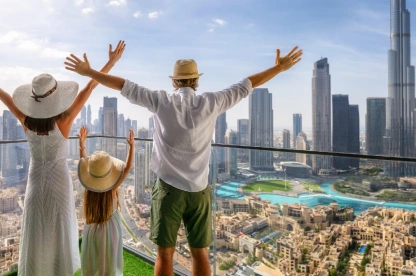
Explore the 10 best things to do in Dubai, from world-famous sights and thrilling adventures to unique cultural experiences for every type of traveler.

Explore the best destinations in Middle East, from ancient wonders to modern marvels, perfect for culture lovers, adventure seekers, and beach fans alike.
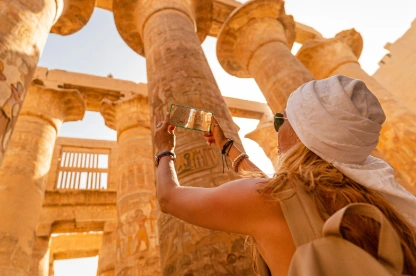
Explore the timeless wonders of Egypt, from ancient pyramids to majestic temples, in this ultimate guide to the country’s most iconic sites.
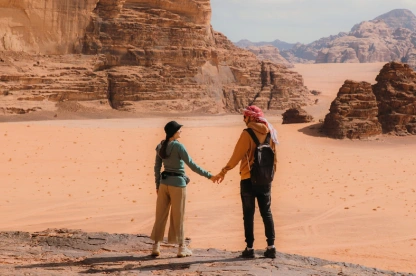
Explore the magic of Wadi Rum, Jordan’s desert gem filled with red sands, towering cliffs, and unforgettable Bedouin adventures.

Get ready for your trip with these essential Turkey travel tips, covering culture, food, key sights, and must-know advice for first-time visitors!
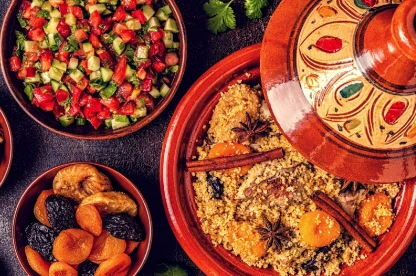
Discover the rich flavors of Moroccan cuisine: tajines, couscous, street bites, and sweet treats you won't want to miss!

Discover the best beaches in Greece, from hidden gems to iconic shores, on unforgettable Greece tours filled with sun, sea, and stories.
Discover the most visited places in Istanbul, including top sites, historic landmarks, and must-see spots in this vibrant city.
Experience the thrill of a Dubai desert safari with dune bashing, camel rides and sunset views in one unforgettable adventure.
Explore the imperial cities of Morocco, Fez, Marrakesh, Rabat, and Meknes and experience rich history, culture, and stunning architecture.
Reviews from our travelers on Trustpilot Feefo


