
Table of Contents:
- 1. Soar Above Cappadocia in a Hot Air Balloon at Sunrise
- 2. Hit the Slopes at World-Class Ski Resorts
- 3. Discover Istanbul's Historic Heart
- 4. Soak in Pamukkale's Thermal Pools with a Winter Twist
- 5. Experience Ancient Ephesus in Peaceful Winter Solitude
- 6. Stay in Cozy Cave Hotels with Traditional Turkish Hospitality
- 7. Savor Turkey's Hearty Winter Cuisine and Warm Drinks
- How to Pack for Your Winter Trip to Turkey
- Make Your Winter Turkey Dream a Reality with Middle East Trips
- FAQs
Your Guide to the Top 7 Things to Do in Turkey in Winter
When most travelers think of Turkey, they picture summer beaches along the turquoise coast or spring wildflowers in Cappadocia. But winter in Turkey? That's where the real magic happens. From December through February, Turkey transforms into a wonderland of snow-dusted landscapes, cozy experiences, and cultural treasures that shine even brighter under winter skies. Away from the peak-season crowds, Turkey transforms into a wonderland of snow-dusted landscapes, cozy experiences, and cultural treasures that shine even brighter under winter skies.
At Middle East Trips, we've crafted countless winter journeys through Turkey that reveal the country's most enchanting seasonal secrets. Whether you're seeking adventure on snow-covered peaks, cultural immersion in historic cities, or romantic escapes in fairy-tale settings, winter in Turkey delivers experiences you simply can't find during any other season.
Let's explore the top 7 things you absolutely must do during a winter visit to Turkey, each offering its own unique blend of adventure, culture, and unforgettable memories.
1. Soar Above Cappadocia in a Hot Air Balloon at Sunrise
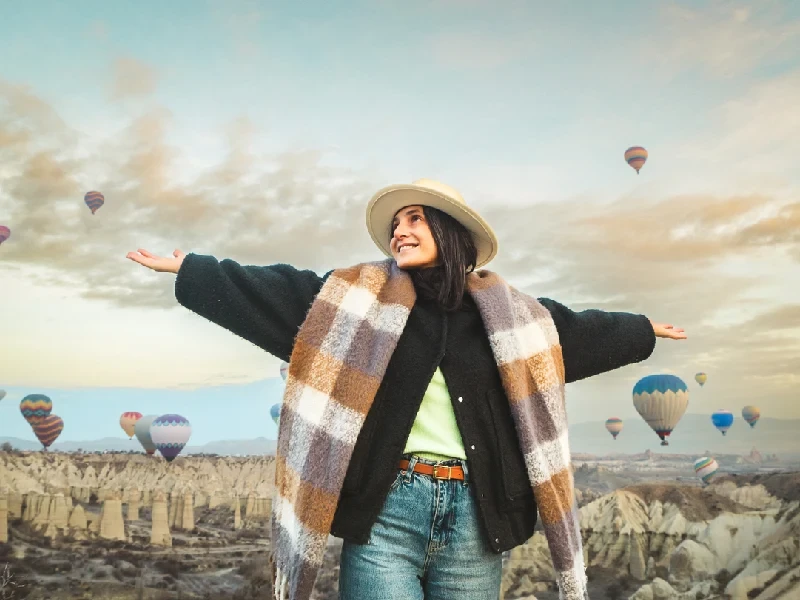
Picture this: You're floating hundreds of feet above a landscape that looks like it belongs on another planet. The rising sun paints the sky in shades of pink and gold, illuminating snow-dusted fairy chimneys below. The air is crisp and perfectly still, and you're wrapped in the warmth of the balloon's burners as you drift silently over one of the world's most surreal landscapes.
Winter hot air balloon rides in Cappadocia aren't just photo opportunities, they're transformative experiences. The contrast between the snowy valleys below and the warming sky above creates a visual spectacle that summer simply can't match. The cold winter air provides ideal flying conditions, offering smoother, longer flights with crystal-clear visibility that extends for miles.
The region's unique rock formations take on an ethereal quality in winter, especially when dusted with fresh snow.
Why winter makes it better: Clearer skies, fewer tourists competing for perfect balloon photos, and the dramatic contrast of snow against honey-colored rock formations create once-in-a-lifetime images and memories.
Ready to discover Turkey's winter magic? Explore our Turkey Tours to start planning your unforgettable winter escape!
2. Hit the Slopes at World-Class Ski Resorts
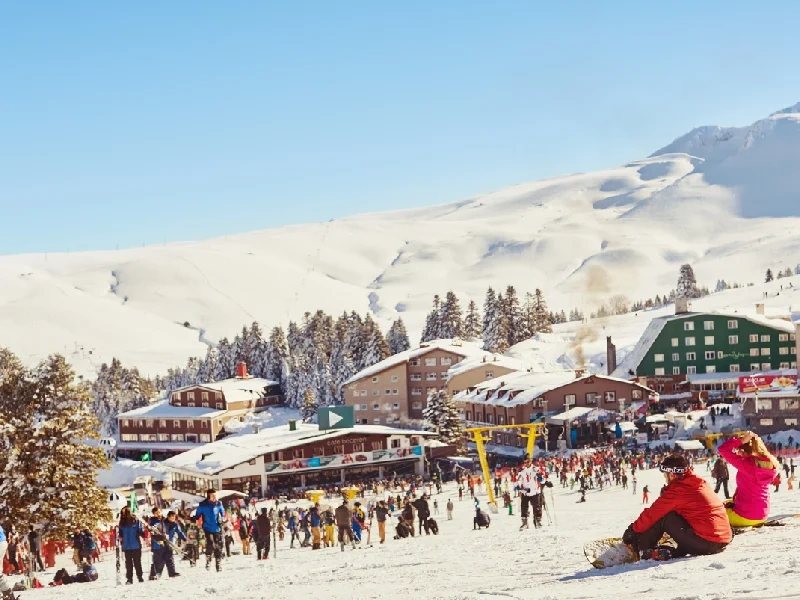
Turkey's mountains hide a secret that even many Europeans don't know: world-class skiing at a fraction of Alpine prices. The country boasts over 30 ski resorts, with some offering slopes that rival anything you'll find in the Austrian or Swiss Alps, but with Turkish hospitality, delicious cuisine, and significantly smaller crowds.
Uludağ, near Bursa, is Turkey's most popular ski destination, featuring over 20 kilometers of groomed runs suitable for all skill levels. The resort town buzzes with energy after dark, offering everything from traditional Turkish baths to lively après-ski entertainment.
For those seeking a more exclusive experience, Palandöken near Erzurum offers the longest ski season in Turkey (December through April) and some of the country's most challenging black runs.
Why winter makes it better: January through March offers the best snow conditions, with consistent powder and groomed runs. The resorts maintain European standards of safety and lift infrastructure while offering authentic Turkish mountain experiences.
3. Discover Istanbul's Historic Heart
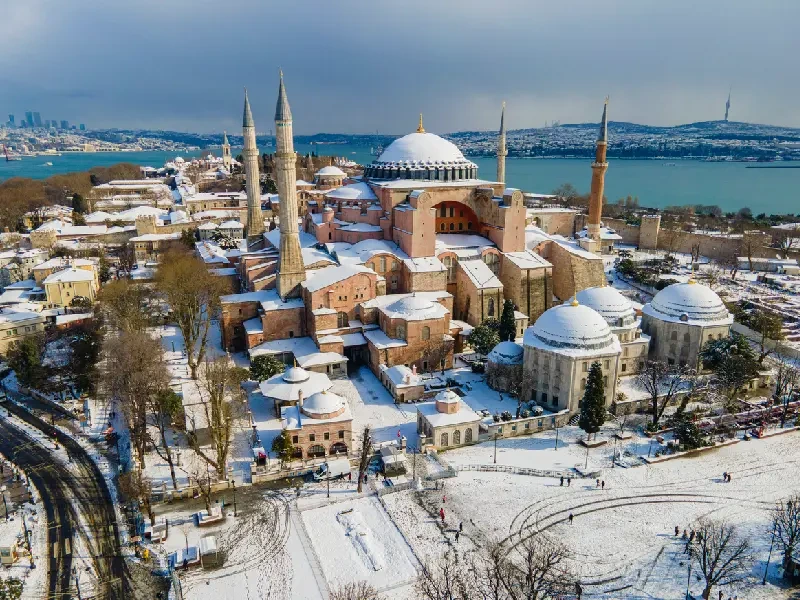
Istanbul in winter is Istanbul at its most authentic. The city's iconic landmarks, the Hagia Sophia, Blue Mosque, and Topkapi Palace, are blissfully uncrowded, allowing you to truly absorb their magnificence without jostling for position with tour groups.
The cold weather drives visitors indoors to the city's legendary covered markets, where the Grand Bazaar and Spice Bazaar come alive with color, warmth, and irresistible aromas.
Winter is the perfect season to embrace Istanbul's café culture. Turkish people have perfected the art of the cozy café, and you'll find locals lingering for hours over strong Turkish tea or thick Turkish coffee in atmospheric spots throughout the city.
Stop by a traditional kahvehane (coffeehouse) to warm up and watch locals play backgammon, or seek out a modern café in the hip neighborhoods of Karaköy or Balat.
The city's many hammams (Turkish baths) become especially appealing in winter. There's something deeply satisfying about stepping from cold streets into the steamy, marble-walled chambers for a traditional scrub and massage. The Ayasofya Hürrem Sultan Hamamı, located between the Hagia Sophia and Blue Mosque, offers one of the most authentic and luxurious experiences.
Don't miss the seasonal food scene. Winter brings special dishes like kestane (roasted chestnuts) sold by street vendors, warm salep (a creamy, orchid-based drink), and hearty stews that rarely appear on summer menus.
Why winter makes it better: Shorter wait times at major attractions mean more time for exploration and discovery. The cooler weather makes walking tours comfortable, and you'll experience the city as locals do, not as a tourist attraction.
Book our Magical Istanbul and Cappadocia Tour this winter for a perfectly paced adventure!
4. Soak in Pamukkale's Thermal Pools with a Winter Twist
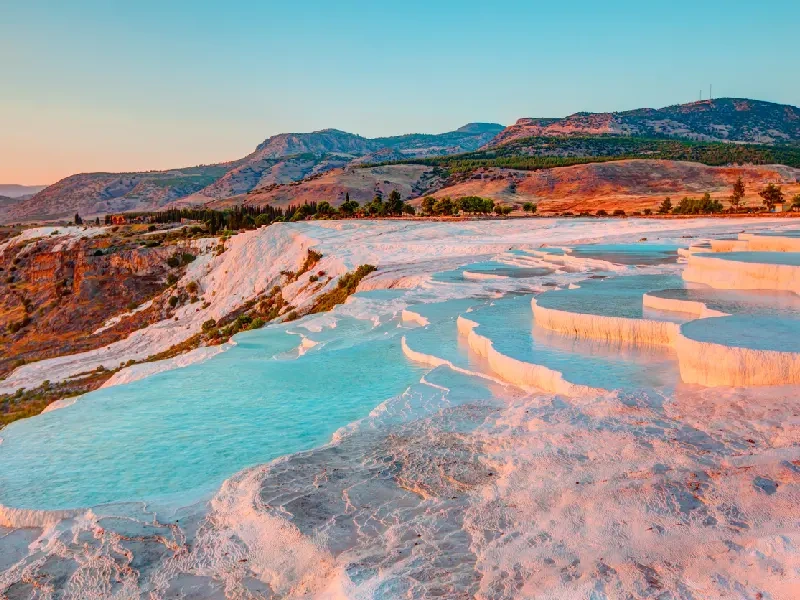
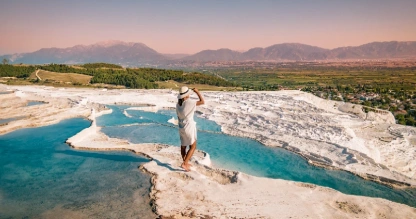
The brilliant white travertine terraces of Pamukkale are stunning any time of year, but winter adds an extra dimension of magic. Steam rises dramatically from the thermal pools in the cold air, creating an otherworldly atmosphere that's both mystical and photogenic. The warm mineral waters (a constant 35-36°C) provide a stark and delightful contrast to the chilly winter air.
Wading through these warm, mineral-rich pools while surrounded by winter's crisp air creates an unforgettable sensory experience. The ancient city of Hierapolis, perched above the terraces, takes on a haunting beauty in winter, with fewer visitors to disturb your exploration of its remarkably preserved Roman ruins, necropolis, and ancient theater.
The nearby town of Denizli serves as an excellent base, offering thermal hotels where you can soak in private pools and enjoy traditional Turkish hospitality. Many hotels feature their own thermal springs, allowing you to continue the therapeutic experience after visiting the main terraces.
Why winter makes it better: The dramatic steam effects create stunning photography opportunities impossible in summer. You'll often have entire sections of the terraces to yourself for truly contemplative moments.
5. Experience Ancient Ephesus in Peaceful Winter Solitude
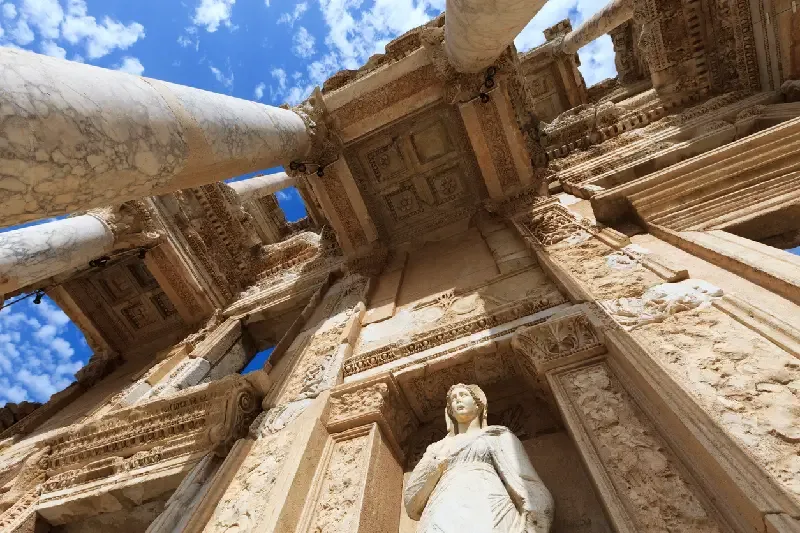
Ephesus ranks among the Mediterranean's most impressive ancient cities, and winter transforms it from a crowded archaeological site into an atmospheric time machine. Walking down the marble streets of this 2,000-year-old city without the summer heat and crowds allows you to truly imagine life in ancient Rome.
The Library of Celsus, one of antiquity's most photographed buildings, looks even more majestic against crisp winter skies. The Great Theatre, which once held 25,000 spectators, echoes with history rather than tour groups. The Terrace Houses, where Ephesus's wealthy residents lived, become even more impressive when you're not competing with dozens of other visitors for viewing space.
Winter is also ideal for visiting the nearby House of the Virgin Mary, a pilgrimage site set in peaceful pine forests on Bülbül Mountain. The cooler weather makes the short hike more enjoyable, and the site's serene atmosphere is enhanced by the season's quietness.
The charming town of Selçuk, home to Ephesus, offers authentic Turkish experiences away from tourist trails. Visit the Ephesus Archaeological Museum to see artifacts from the excavations, then warm up with a traditional Turkish lunch at a local restaurant where you might be the only foreigner in sight.
Why winter makes it better: Summer temperatures at Ephesus can reach 40°C (104°F), making extended exploration exhausting. Winter offers comfortable temperatures perfect for spending hours wandering through the ruins, with the added benefit of being able to photograph iconic sites without crowds photobombing your shots.
6. Stay in Cozy Cave Hotels with Traditional Turkish Hospitality
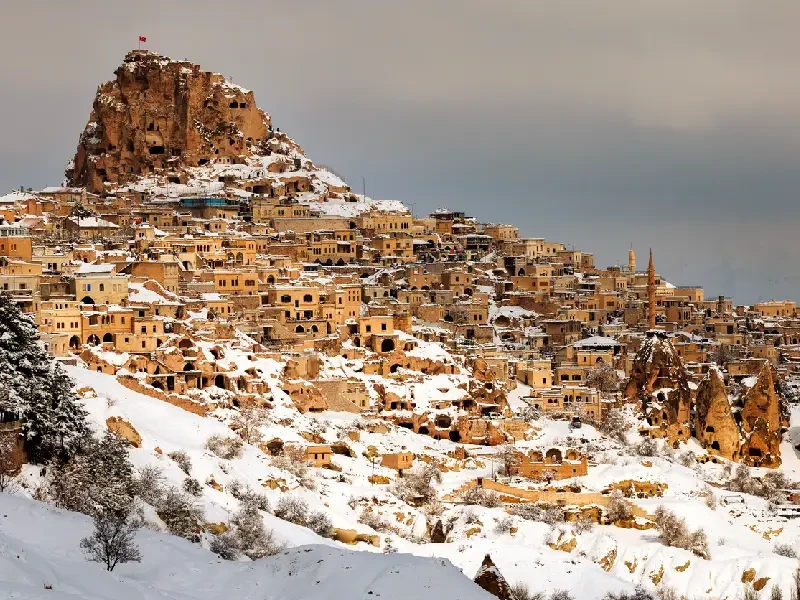
Cappadocia's cave hotels are extraordinary any season, but winter elevates them to something truly special. Carved into the region's soft volcanic rock, these unique accommodations combine ancient architecture with modern luxury.
Many cave hotels feature fireplaces, making winter evenings particularly romantic and atmospheric. After a day of exploring, return to your cave room to find it perfectly warm, the thick rock walls provide natural insulation that keeps interiors cozy while maintaining the rooms' historical authenticity.
The best cave hotels offer terraces with spectacular valley views where you can sip Turkish wine while watching hot air balloons drift past at sunrise. In winter, you might enjoy this spectacle wrapped in blankets provided by attentive staff, with a traditional Turkish breakfast spread out before you featuring fresh bread, local cheeses, olives, jams, and honey.
Modern cave hotels also typically include spa facilities where you can enjoy treatments inspired by ancient Ottoman traditions. Some feature cave hammams, allowing you to experience a traditional Turkish bath in a setting that feels transported from centuries past.
Why winter makes it better: The contrast between the cozy cave interior and the cold outside creates an extra sense of comfort and refuge. The rock-carved rooms feel particularly atmospheric in winter, and nightly room rates are often lower than peak summer prices.
7. Savor Turkey's Hearty Winter Cuisine and Warm Drinks
Turkish cuisine adapts beautifully to the seasons, and winter brings the country’s most comforting dishes. This is the season for çorba (soups), from hearty lentil and yogurt-based varieties to tripe soup, a local favorite for hangovers. Each region has its specialties, making every meal a culinary adventure.
In Istanbul, try kuru fasulye (white bean stew) with rice and pickles, a classic comfort food for cold days. In Central Anatolia, testi kebabı, meat and vegetables slow-cooked in a sealed clay pot, is a must-try, with the aromatic steam released when the pot is broken open at your table.
Street food is especially delightful in winter. Roasted chestnuts fill Istanbul’s streets with a warm aroma, while kumpir (loaded baked potatoes) and midye dolma (stuffed mussels) are perfect for enjoying on the go.
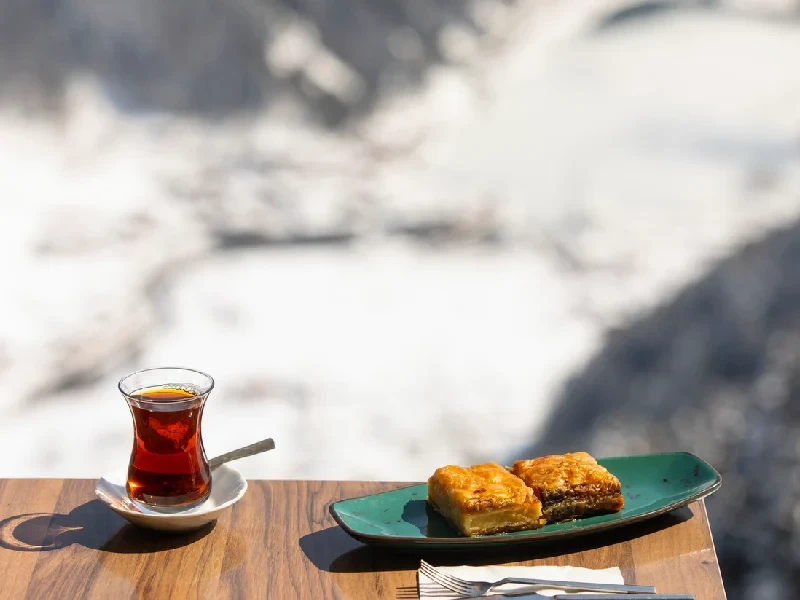
Winter drinks add extra warmth: salep, made from orchid root powder and topped with cinnamon, is like Turkish hot chocolate, while boza, a fermented grain drink, is a traditional warming favorite. Turkish tea and coffee are even more enjoyable when sipped in cozy cafés while watching the winter scenery.
Why winter makes it better: Seasonal dishes only appear on menus during cold months, giving winter visitors access to authentic flavors that summer tourists miss entirely. The act of warming up over a hot meal or drink becomes a memorable experience in itself.
How to Pack for Your Winter Trip to Turkey
Packing well for a winter trip to Turkey is important, as weather varies by region. Layering is key, bring thermal base layers, sweaters, and a warm, windproof coat. A waterproof jacket is useful, especially in Istanbul and coastal areas.
Comfortable footwear matters: Pack waterproof, insulated boots with good grip for walking on cobblestones, uneven terrain, or snow. Warm socks are essential.
Don’t forget accessories: A hat, gloves, scarf, and sunglasses help with cold mornings and bright winter sun. If visiting thermal pools like Pamukkale, pack a swimsuit.
Practical items such as a portable charger and extra camera batteries are helpful in cold weather.
Temperatures range from mild on the coast to below freezing in Cappadocia and eastern regions, so pack accordingly. Keep outfits versatile and avoid overpacking, laundry services are widely available.
Make Your Winter Turkey Dream a Reality with Middle East Trips
Turkey in winter isn't just a consolation prize for those who can't visit in summer, it's often the superior choice. Smaller crowds, lower prices, unique seasonal activities, and a more authentic cultural experience combine to create journeys that feel more intimate and personally meaningful.
Our Turkey tour packages include everything you need for a seamless winter adventure: comfortable accommodations, transportation with experienced drivers, expert English-speaking guides, and 24/7 support. We handle the logistics so you can focus entirely on experiencing Turkey's winter wonders.
Browse our Turkey Tours. With Middle East Trips, your dream of a magical winter in Turkey is just a conversation away.
FAQs
Q1. Which months are winter in Turkey?
Winter in Turkey usually runs from December to February, with colder temperatures and snowfall in inland and eastern regions, while coastal areas remain milder.
Q2. Is Turkey worth visiting in winter?
Yes, winter is a great time to visit Turkey if you prefer fewer crowds, lower prices, and a more relaxed atmosphere, along with unique seasonal experiences.
Q3. Where should I visit in Turkey during winter?
Popular winter destinations include Istanbul for culture and museums, Cappadocia for snowy landscapes and hot-air balloons, Uludağ and Erciyes for skiing, and Pamukkale for thermal waters.
Q4. How can I enjoy Turkey in the winter?
You can enjoy city sightseeing, winter festivals, skiing, thermal baths, local cuisine, and cultural tours, all while avoiding peak-season crowds.
Q5. What should I pack for a winter trip to Turkey?
Pack warm layered clothing, a waterproof jacket, comfortable walking shoes, a scarf and gloves, and lighter outfits for milder coastal regions.
Related Tours
11-day Highlights of Turkey Trip
Discover Turkey in 11 days! Explore Istanbul, Cappadocia, Pamukkale, Ephesus, Troy & more on a rich, all-inclusive cultural and historical journey.
- 11 Days / 10 Nights
- Group Tour
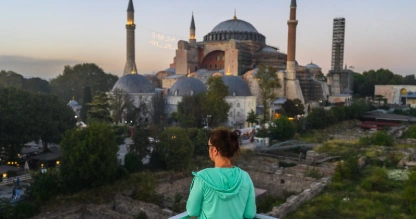
4-day Classic Istanbul Travel Package
Explore Istanbul’s top landmarks in 4 days. Visit Hagia Sophia, Topkapi Palace, the Blue Mosque, and cruise the Bosphorus with an unforgettable experience.
- 4 Days / 3 Nights
- Group Tour
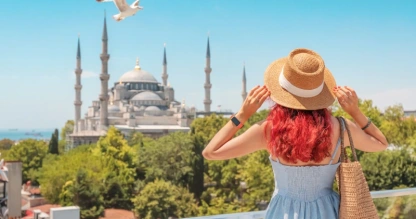
Exclusive Turkey Tour Getaway
Discover Turkey in 10 days: Istanbul, Cappadocia, Pamukkale & Kusadasi. A perfect mix of history, nature, and culture in one epic Turkey tour!
- 10 Days / 9 nights
- Group Tour
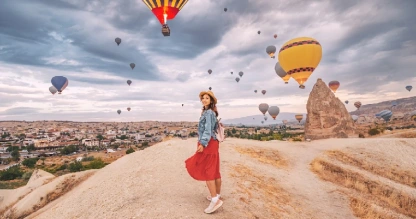
Magical Istanbul and Cappadocia Tour
Discover Turkey with a 6-day Istanbul and Cappadocia tour featuring iconic landmarks, scenic valleys, and rich cultural heritage.
- 6 Days / 5 Nights
- Group Tour
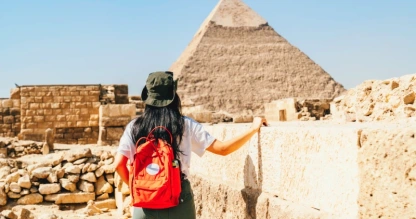
Pearls of Turkey and Egypt Travel Package
Experience 11 days of wonder with our Turkey and Egypt travel package, iconic cities, Nile cruise, and ancient treasures await!
- 11 Days / 10 Nights
- Group Tour
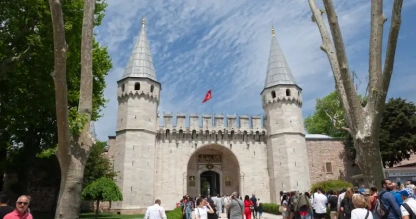
Best of Turkey and Greece Tour
Embark on a breathtaking journey through two of the world's most historic countries with this Tour.
- 12 Days / 11 Nights
- Group Your
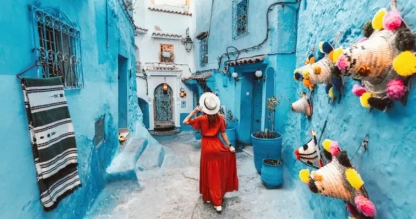
Grand Tour of Morocco and Turkey in 15 days
Experience the best of Morocco and Turkey in 15 days. Explore imperial cities, Hagia Sophia, the Ephesus ruins, and unique scenery. Discover more and book your tour now!
- 15 Days / 14 nights
- Private tour in Morocco and Group tour in Turkey

Magnificent Turkey and Dubai Tour
Join our 13-day Turkey and Dubai tour to explore Istanbul, Cappadocia, Ephesus, and Dubai's modern wonders and rich culture.
- 13 Days / 12 Nights
- Group Tour
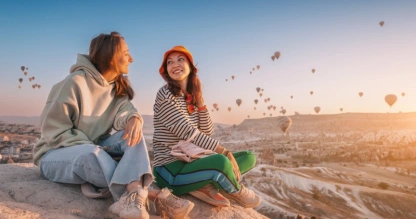
The Ultimate Greece and Turkey Tour Package
Explore Athens, Istanbul, islands, ruins, and timeless cultures in one trip with our Greece and Turkey tour package.
- 14 Days / 13 Nights
- Group Tour
Find Other Blogs
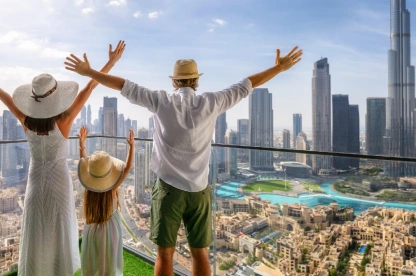
Explore the 10 best things to do in Dubai, from world-famous sights and thrilling adventures to unique cultural experiences for every type of traveler.

Explore the best destinations in Middle East, from ancient wonders to modern marvels, perfect for culture lovers, adventure seekers, and beach fans alike.
Explore the timeless wonders of Egypt, from ancient pyramids to majestic temples, in this ultimate guide to the country’s most iconic sites.
Explore the magic of Wadi Rum, Jordan’s desert gem filled with red sands, towering cliffs, and unforgettable Bedouin adventures.
Get ready for your trip with these essential Turkey travel tips, covering culture, food, key sights, and must-know advice for first-time visitors!
Discover the rich flavors of Moroccan cuisine: tajines, couscous, street bites, and sweet treats you won't want to miss!
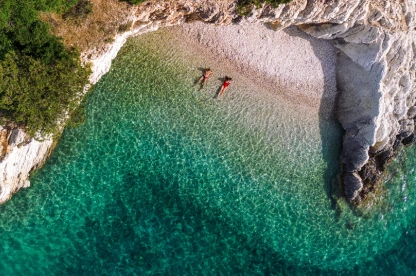
Discover the best beaches in Greece, from hidden gems to iconic shores, on unforgettable Greece tours filled with sun, sea, and stories.
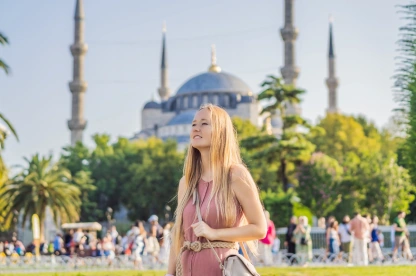
Discover the most visited places in Istanbul, including top sites, historic landmarks, and must-see spots in this vibrant city.
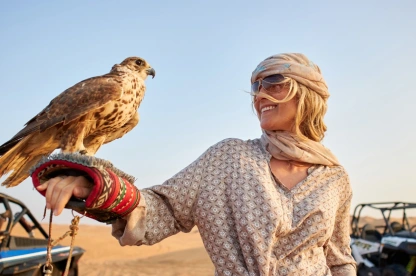
Experience the thrill of a Dubai desert safari with dune bashing, camel rides and sunset views in one unforgettable adventure.
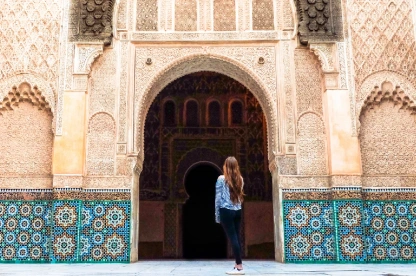
Explore the imperial cities of Morocco, Fez, Marrakesh, Rabat, and Meknes and experience rich history, culture, and stunning architecture.
Reviews from our travelers on Trustpilot Feefo


