

Valley of the Kings: Egypt’s Timeless Royal Necropolis
The Valley of the Kings in Luxor, Egypt, is the legendary burial ground of New Kingdom pharaohs. With over 60 tombs, including that of Tutankhamun, it showcases ancient art, treasures, and spirituality. Today, it remains a must-see UNESCO site for travelers seeking Egypt’s history.
Introduction – The Eternal Resting Place of Pharaohs
Introduction – The Eternal Resting Place of Pharaohs
Nestled on the west bank of the Nile near Luxor, the Valley of the Kings is one of Egypt’s most iconic archaeological treasures. For nearly 500 years, this desert valley served as the burial site of the pharaohs and nobles of the New Kingdom (1550–1070 BCE). Today, it stands as a UNESCO World Heritage site, offering a window into the grandeur, artistry, and spiritual beliefs of ancient Egypt.
The History of the Valley of the Kings
The History of the Valley of the Kings
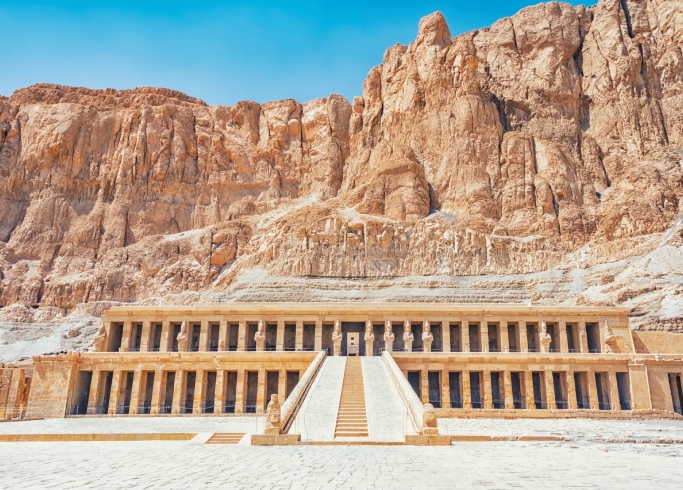
The Valley of the Kings was chosen as the royal burial ground during the New Kingdom, replacing the pyramids of the Old Kingdom. Pharaohs like Thutmose I, Ramses II, and Seti I were laid to rest here in elaborately decorated tombs carved deep into limestone hills. Unlike pyramids that were vulnerable to looting, the hidden tombs in the valley offered greater protection. Archaeologists have so far uncovered more than 60 tombs, each reflecting the wealth and religious devotion of Egypt’s rulers.
Tombs and Treasures: Inside the Valley
Tombs and Treasures: Inside the Valley
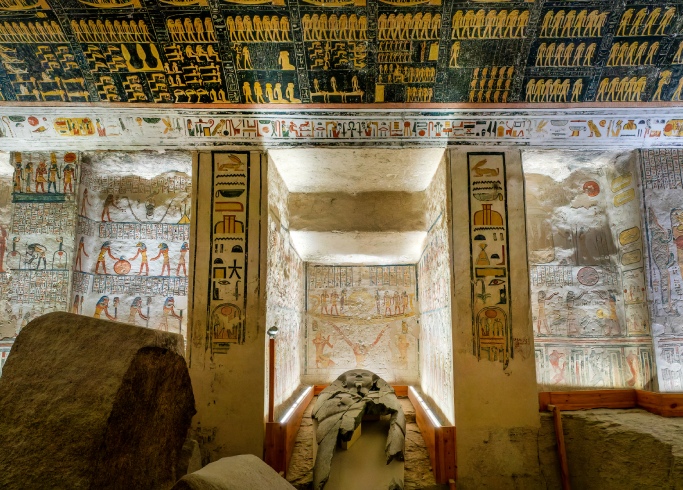
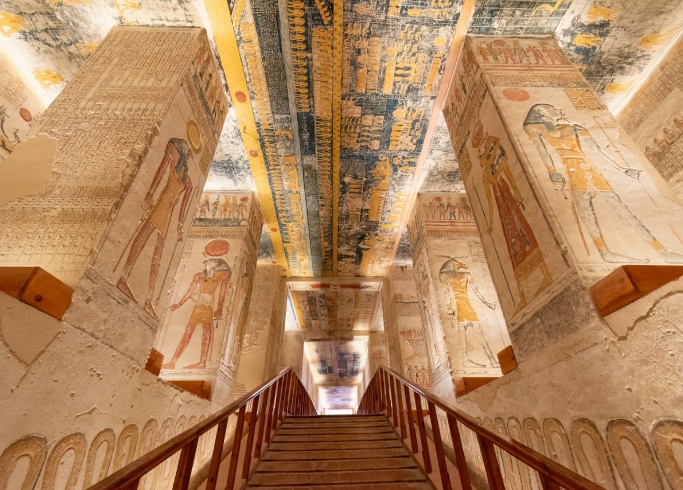
The tombs in the Valley of the Kings are masterpieces of ancient art and engineering. Their walls are covered in colorful hieroglyphics and detailed scenes from the Book of the Dead, designed to guide the deceased safely into the afterlife. Among the most famous discoveries is the tomb of Tutankhamun, unearthed by Howard Carter in 1922, with treasures that stunned the world. Even though many tombs were looted in antiquity, the artistry and architecture remain a breathtaking legacy.
Visiting the Valley Today
Visiting the Valley Today
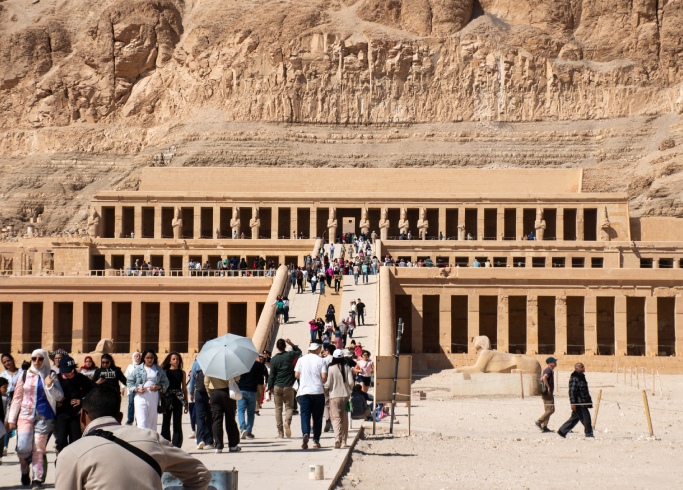
Today, the Valley of the Kings is one of Egypt’s top tourist destinations. Visitors can explore selected tombs on a rotating basis to protect the delicate wall paintings. Highlights often include the tombs of Ramses IV, Merenptah, and Tutankhamun. The site is easily accessible from Luxor, with guided tours offering expert insights into the history and symbolism of the valley. For those planning a trip, visiting during the cooler months (October–April) provides the most comfortable experience.
Conclusion – A Journey Back in Time
Conclusion – A Journey Back in Time
The Valley of the Kings is more than a burial site; it is a timeless testament to Egypt’s glorious past. With its magnificent tombs, rich symbolism, and fascinating history, it remains one of the most captivating archaeological destinations in the world. A visit here is not just a trip into ancient history—it is a journey into the heart of Egypt’s enduring legacy.
FAQs about the Valley of the Kings
1. Where is the Valley of the Kings located?
It is located on the west bank of the Nile, opposite Luxor in Upper Egypt.
2. How many tombs are in the Valley of the Kings?
Archaeologists have discovered more than 60 tombs, though not all are open to the public.
3. Which is the most famous tomb in the valley?
The tomb of Tutankhamun (KV62) is the most famous, discovered almost intact in 1922.
4. Can tourists visit the Valley of the Kings?
Yes, the site is open to visitors year-round, with several tombs accessible on a rotating basis to preserve them.
5. What is the best time to visit?
The cooler months from October to April are ideal for exploring the valley comfortably.
Related Tours

The Best of Egypt: Cairo and Nile Cruise tour
Experience the best of Egypt with our Cairo and Nile Cruise tour. Explore iconic sights, temples, and the Nile, with expert guides.
Cairo And The Nile by Air at Easter
Explore Egypt in 8 days: visit Cairo's Pyramids and the GEM, cruise the Nile through Luxor and Aswan, and enjoy a final night in Cairo before departure.
Cairo, Nile Cruise & Red Sea Over Xmas & NY
Celebrate the New Year in Egypt with a magical journey through Cairo, a Nile cruise, ancient temples, and relaxing Red Sea beaches—festivities, history, and luxury combined.

Classic Cairo and Luxor Tour
Uncover ancient wonders on a Cairo and Luxor tour, with pyramids, temples, and history brought to life by expert local guides.


