

Luxor, Egypt: The Ancient City of Temples and Tombs
Luxor, Egypt, built on ancient Thebes, is one of the country’s most important archaeological and cultural cities. Home to Karnak, Luxor Temple, the Valley of the Kings, and more, it remains a world-class destination for travelers seeking to explore Egypt’s pharaonic heritage.
Introduction
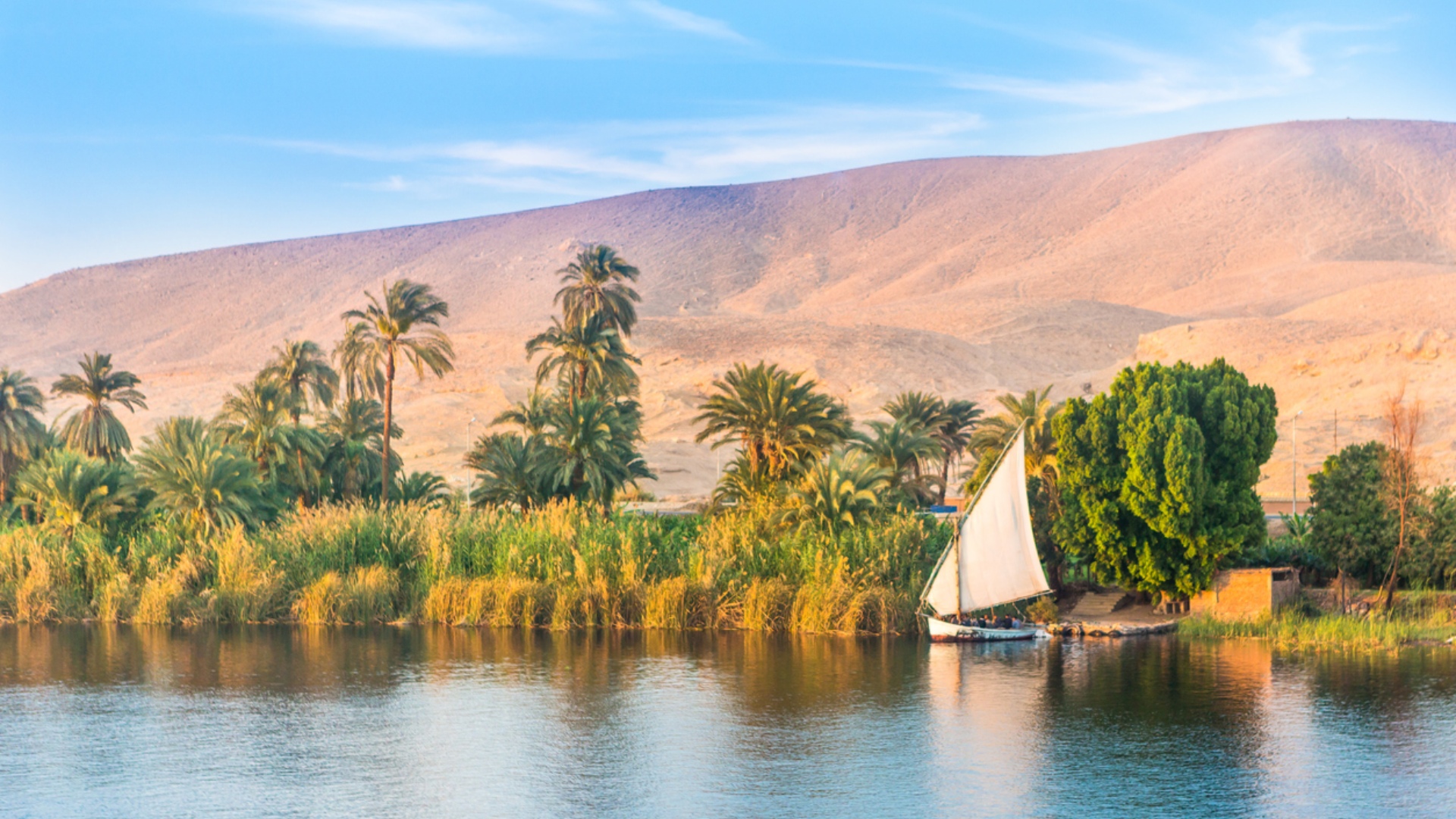
Luxor, often called the “world’s greatest open-air museum,” is one of Egypt’s most famous destinations. Located along the east bank of the Nile River in Upper Egypt, Luxor stands on the site of ancient Thebes, the once-powerful capital of the New Kingdom. Today, it is home to some of the most remarkable monuments of ancient Egypt, including temples, tombs, and colossal statues that continue to fascinate travelers and historians alike.
Luxor’s Historical Significance
Luxor played a central role in ancient Egyptian civilization for centuries. Known as Thebes in antiquity, it was the political, cultural, and spiritual heart of Egypt during the New Kingdom (c. 1550–1070 BC). The city was dedicated to the god Amun-Ra, and its monuments reflect both religious devotion and the grandeur of pharaonic power. Pharaohs such as Ramses II, Hatshepsut, and Tutankhamun left behind timeless legacies in Luxor through magnificent temples and burial sites.
Major Attractions in Luxor
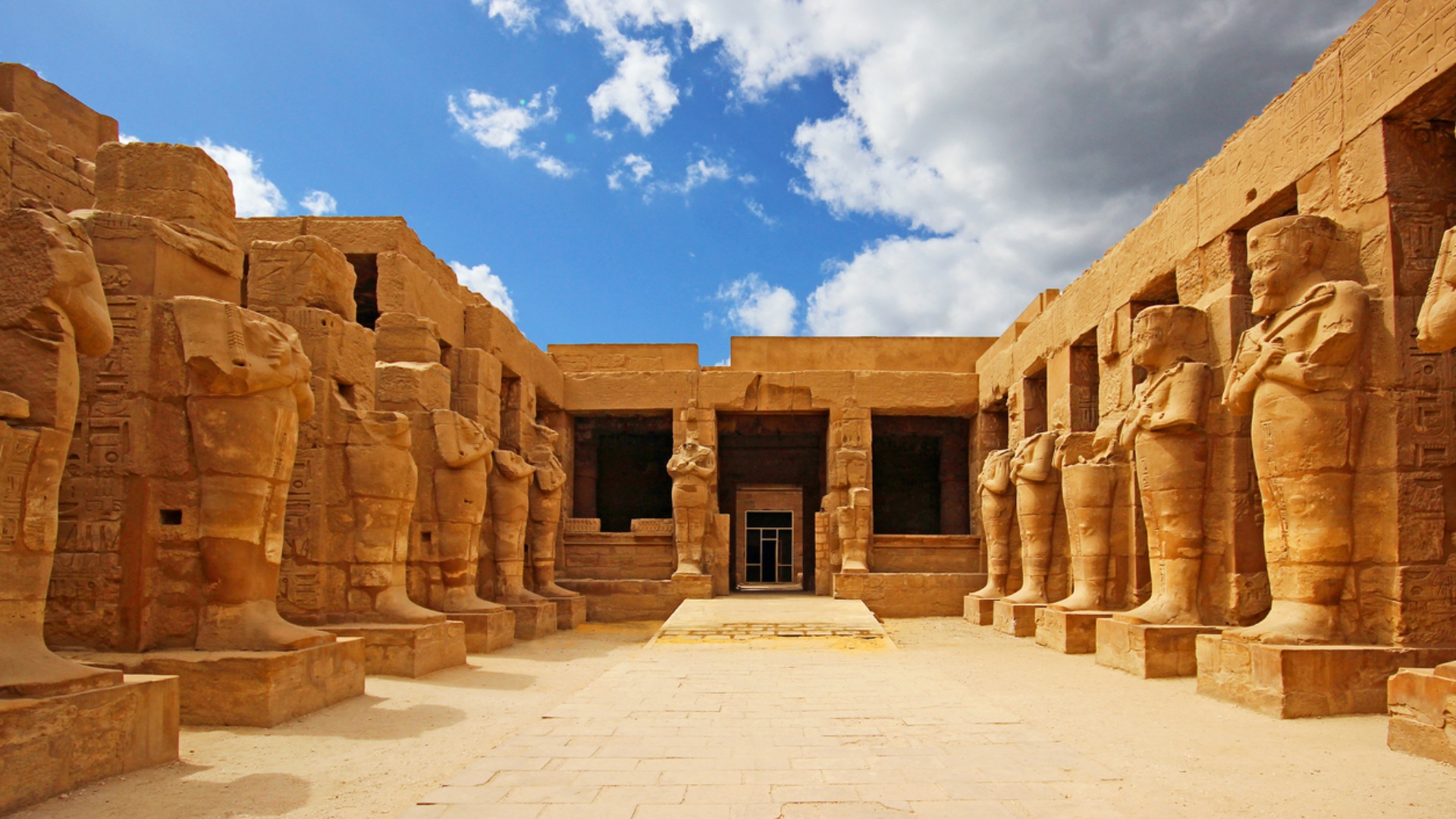
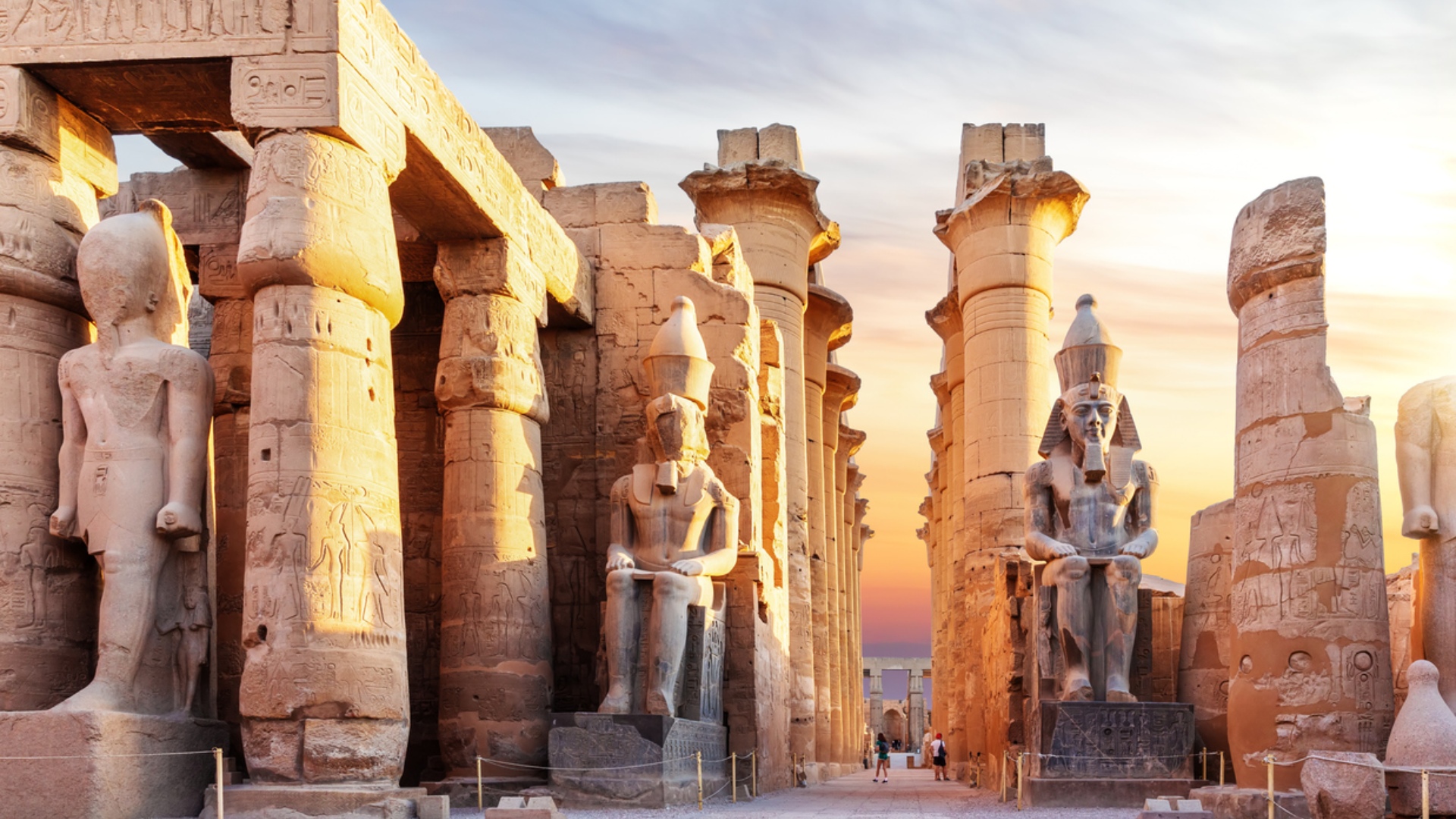
Luxor is divided by the Nile into two main areas: the East Bank and the West Bank. The East Bank is home to the famous Luxor Temple and the massive Karnak Temple Complex, linked by the Avenue of Sphinxes. On the West Bank, travelers can explore the Valley of the Kings, where pharaohs were buried in richly decorated tombs, including the famous tomb of Tutankhamun. The Valley of the Queens, the Temple of Hatshepsut, and the Colossi of Memnon are also must-see landmarks, showcasing the city’s cultural and architectural brilliance.
Luxor Today: A Blend of Past and Present
While Luxor is steeped in history, it is also a vibrant modern city with thriving tourism. Nile cruises often begin or end in Luxor, offering travelers a chance to explore its treasures as part of their journey. The city also hosts festivals, museums, and traditional markets where visitors can experience Egyptian culture beyond the ancient sites. With its mix of heritage and hospitality, Luxor continues to attract millions of travelers each year.
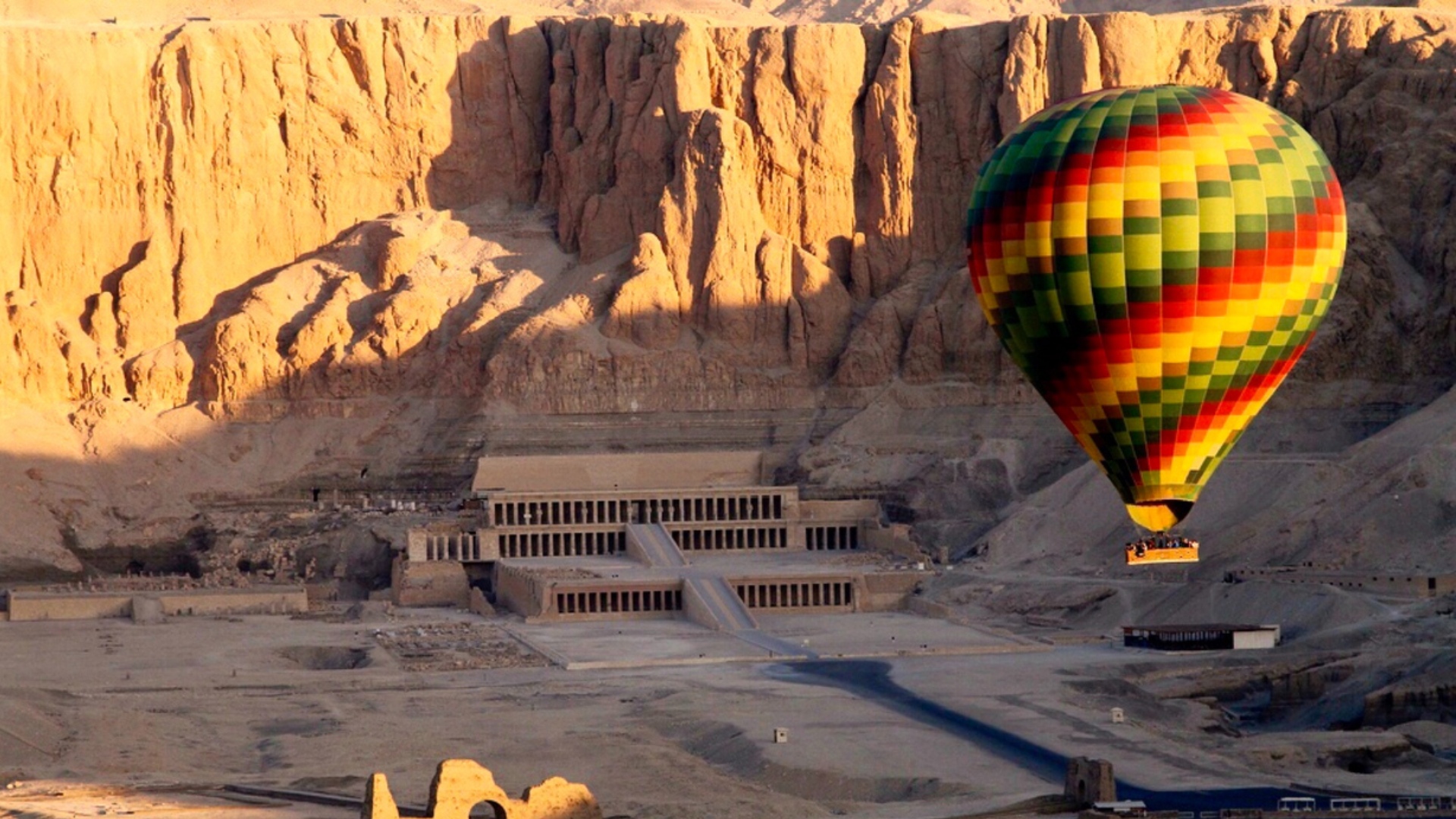
Luxor is not just a destination—it is a journey into Egypt’s glorious past. From monumental temples to royal tombs and breathtaking statues, the city embodies the splendor of ancient Thebes while welcoming visitors with modern comforts. For anyone fascinated by history, culture, or archaeology, Luxor is an essential stop on any Egypt tour.
Related Tours
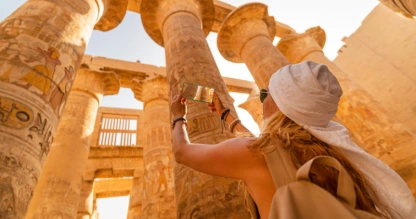
Cairo And The Nile by Air at Easter
Explore Egypt in 8 days: visit Cairo's Pyramids and the GEM, cruise the Nile through Luxor and Aswan, and enjoy a final night in Cairo before departure.
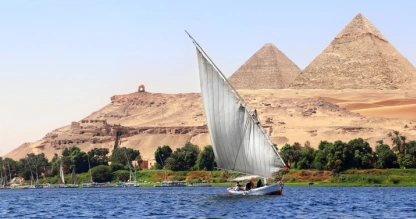
Cairo, Nile Cruise & Red Sea Over Xmas & NY
Celebrate the New Year in Egypt with a magical journey through Cairo, a Nile cruise, ancient temples, and relaxing Red Sea beaches—festivities, history, and luxury combined.

Classic Cairo and Luxor Tour
Uncover ancient wonders on a Cairo and Luxor tour, with pyramids, temples, and history brought to life by expert local guides.
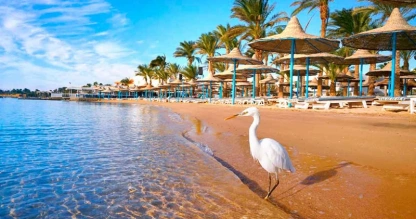
Red Sea and Cairo Vacation Tour
Explore Egypt's top attractions in one trip: Cairo, Aswan, Luxor, and Hurghada!


