
Table of Contents:
Taste The Best Turkish Desserts: A Sweet American Guide
Have you ever taken a bite of something so delicious that it instantly transported you somewhere else? That's exactly what Turkish desserts do. They're not just sweet treats, they're edible stories, packed with centuries of tradition, cultural fusion, and enough flavor to make your taste buds dance.
Whether you're planning a trip to Turkey, looking to recreate these masterpieces at home, or simply curious about what makes Turkish sweets so special, you're in for a treat. Let us walk you through the wonderful world of Turkish desserts, from the classics everyone knows to the hidden gems that locals guard like precious secrets.
How Turkish Desserts Reflect Local Culture and Heritage
Turkish desserts are like time capsules. Every syrupy bite, every flaky layer tells a story about the people, places, and historical moments that shaped them.
Think about Turkey's location for a second, it's literally the bridge between East and West, where Europe meets Asia. This isn't just geographical trivia; it's the secret ingredient in Turkish cuisine.
The Ottoman Empire's vast reach brought together flavors from the Balkans, the Middle East, North Africa, and beyond. Persian rosewater met Greek nuts, Arab spices mingled with Mediterranean ingredients, and the result? A dessert tradition that's uniquely Turkish but beautifully diverse.
Many Turkish sweets were born in palace kitchens during the Ottoman era, crafted by skilled chefs who spent years perfecting their techniques. Others emerged from humble village ovens, passed down through generations of home cooks. What they all share is an emphasis on quality ingredients, meticulous preparation, and that distinctly Turkish balance of sweetness and texture.
Ready to start your Turkish dessert adventure on Turkey tours? Bookmark this guide and let’s explore the sweetest side of Turkish culture together!
The Most Famous Turkish Desserts You Must Try
Let's start with the heavy hitters, the desserts that have made Turkish cuisine famous around the world.
Baklava: The Crown Jewel
If Turkish desserts had a celebrity spokesperson, it would be baklava. This isn't just dessert; it's an art form. Picture this: paper-thin layers of phyllo dough, brushed with butter, layered with chopped pistachios or walnuts, baked until golden and crispy, then drenched in sweet syrup or honey.
What makes Turkish baklava special is the precision. We're talking 40+ layers of dough so thin you can see through them.
The best baklava strikes that perfect balance, crispy but not dry, sweet but not cloying, with enough nuts to make every bite satisfying. Different regions have their own styles too. Gaziantep baklava, for instance, uses only pistachios and is considered by many to be the gold standard.

Künefe: Drama on a Plate
If baklava is elegant, künefe is theatrical. This dessert doesn't just arrive at your table, it makes an entrance.
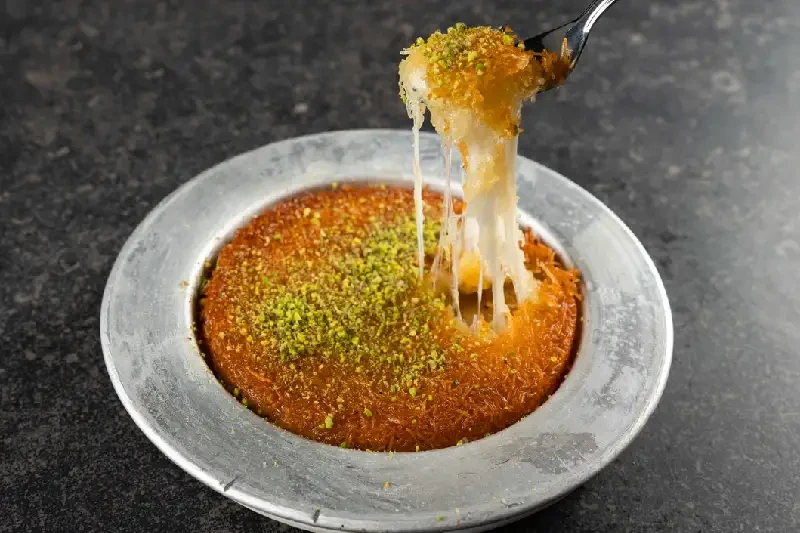
Künefe starts with kadayıf, which is basically shredded phyllo dough that looks like angel hair pasta. This gets layered with melty, stretchy cheese (often unsalted mozzarella or a special cheese called hatay), soaked in sweet syrup, and cooked until it's crispy on the outside. It's served hot and often topped with crushed pistachios.
The magic moment? When you cut into it and watch the cheese stretch. Sweet and salty, crispy and gooey, hot and cold if you add ice cream on top (which many places do).
Lokum (Turkish Delight): Misunderstood Magic
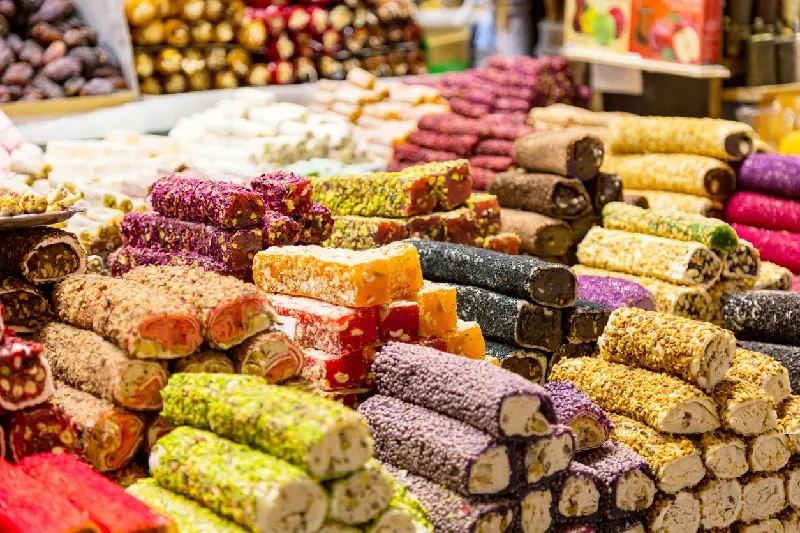
Turkish delight has a bit of an image problem outside Turkey. Many people have only tried the mass-produced versions that taste like overly sweet, weirdly textured gummy cubes. Real lokum? That's a completely different experience.
Authentic Turkish delight is soft, delicate, and comes in dozens of flavors. Rosewater is classic, but you'll also find pomegranate, lemon, orange blossom, mint, and versions studded with pistachios, hazelnuts, or walnuts. The texture should be tender and just slightly chewy, lightly dusted with powdered sugar or desiccated coconut.
Lokum is more than just a sweet, it's a gesture of hospitality. It's what you offer guests with coffee, and what you bring as a gift.
Sütlaç: Comfort in a Bowl
Not all Turkish desserts are about intensity and drama. Sometimes you need something gentle and comforting, and that's where sütlaç comes in.
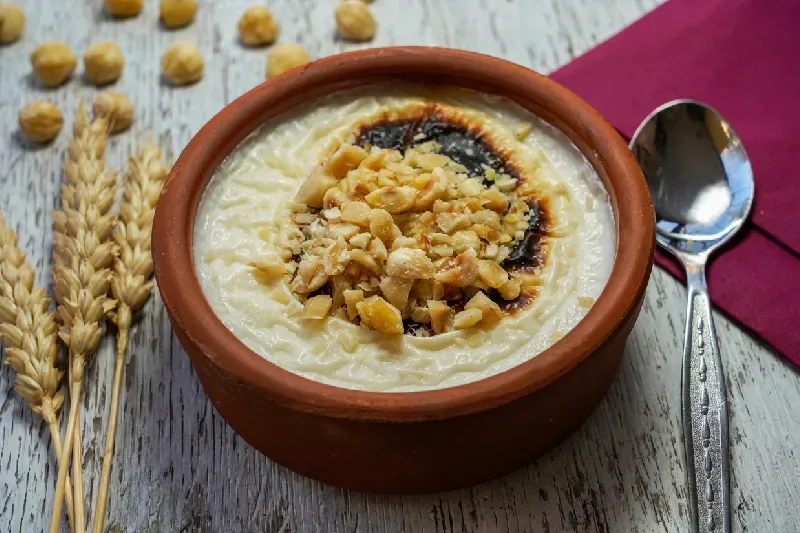
This is Turkish rice pudding, but don't let the simple description fool you. Sütlaç is creamy, delicately sweet, and often flavored with vanilla or a hint of lemon zest. The rice should be soft but still have a little texture, swimming in milk that's been patiently cooked down to the perfect consistency.
The traditional version is served cold, but there's also fırın sütlaç, baked rice pudding with a caramelized top that adds a subtle bitterness to balance the sweetness.
Craving these flavors already? Experience them on one of our Turkey trips!
Lesser-Known Turkish Sweets Worth Discovering
The famous four are just the beginning. Turkey has many more desserts, and some of the best are found off the usual tourist menus.
Revani: Semolina Sunshine
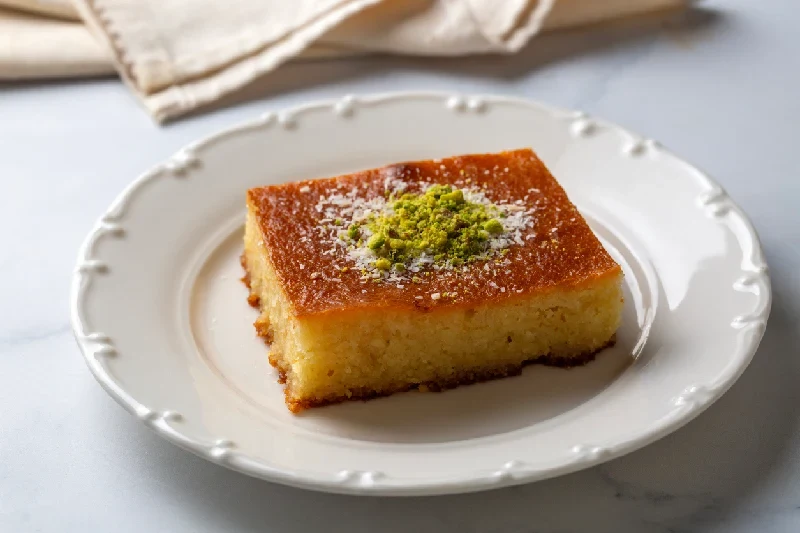
Revani is a semolina cake soaked in syrup, and it's way better than that description makes it sound. The semolina gives it a unique, slightly grainy texture that's somehow both light and substantial. It's typically flavored with lemon zest and sometimes includes yogurt in the batter, which keeps it moist.
After baking, it gets drenched in syrup (sensing a theme here?), which the semolina soaks up like a sponge. Each piece is often topped with a single almond or coconut flakes.
Şekerpare: Little Sugar Bombs
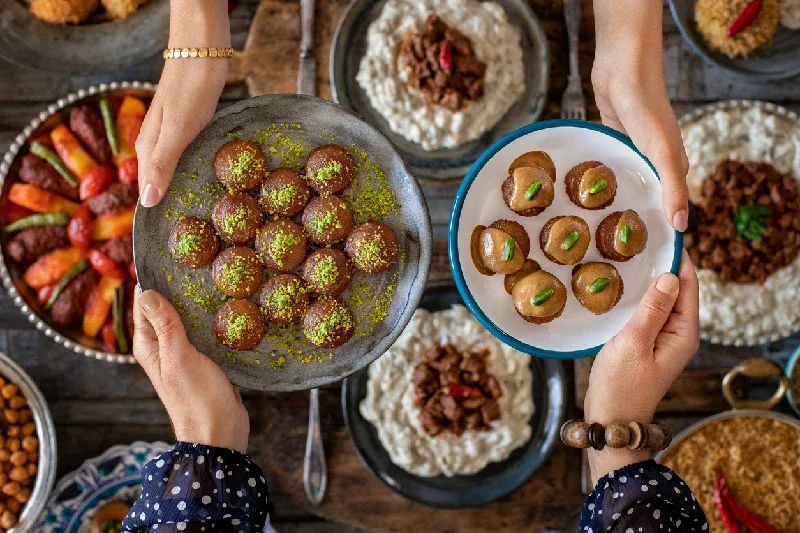
These are small, round cookies made with semolina and butter, soaked in syrup, and traditionally topped with a hazelnut or almond. The name literally means "piece of sugar," which is pretty accurate.
Aşure: A Bowl Full of History
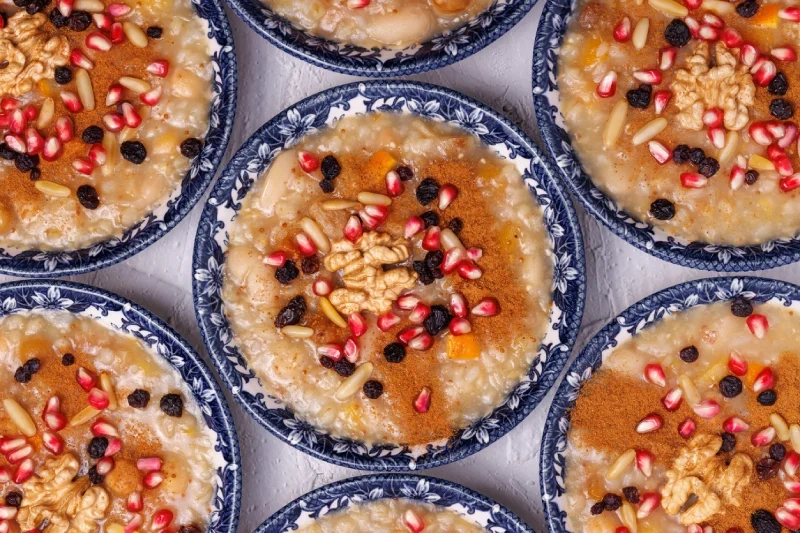
Aşure, also called Noah's Pudding, is probably the most unusual dessert on this list. Legend has it that Noah made this pudding on the ark using whatever ingredients were left after the flood. Whether or not you believe the story, aşure definitely reads like a "everything but the kitchen sink" recipe.
It contains wheat berries, chickpeas, beans, dried fruits like apricots and figs, nuts, and is sweetened with sugar and rose water. The result is hearty, naturally sweet from all the fruits, and surprisingly delicious. It's traditionally made during the Islamic month of Muharram and shared with neighbors and friends, but you can find it year-round in some places.
Tips for Enjoying Turkish Desserts Like a Local
Want to experience Turkish sweets the way Turkish people do? Here are some insider tips that'll level up your dessert game.
Pairing Desserts with Turkish Tea or Coffee
In Turkey, desserts aren’t usually eaten right after dinner. Instead, sweets are enjoyed during a separate “dessert time,” often in the afternoon or evening, always paired with a drink.
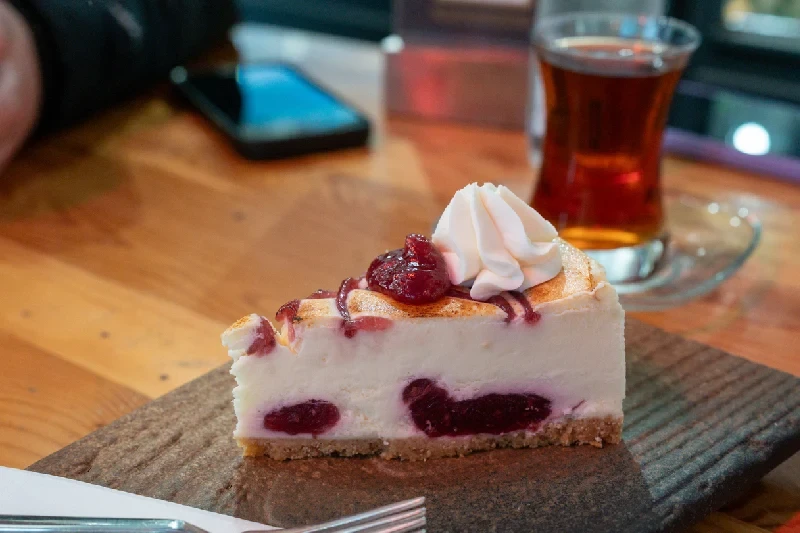
Turkish tea (çay) is the classic choice, its slight bitterness perfectly balances syrup-soaked pastries and refreshes the palate. Turkish coffee is another favorite, especially with lokum, where a piece of delight is nibbled between sips for the perfect flavor combination. For richer desserts like künefe or baklava, some people prefer ayran or simply water to balance the sweetness.
The key takeaway: enjoying Turkish desserts without a drink misses half the experience!
Best Places to Taste Desserts Across Turkey
If you're actually in Turkey, location matters. Not all baklava is created equal, and certain cities have earned their dessert reputations for good reason.
1- Gaziantep is the undisputed baklava capital. The city's pistachio baklava is protected by geographical indication status, like Champagne or Parmigiano-Reggiano. Places like İmam Çağdaş and Koçak Baklava are institutions.
2- Hatay (especially Antakya) is künefe central. You haven't had künefe until you've had it here, where they take their cheese-and-shredded-dough game very seriously.
3- Istanbul offers everything in one place, from historic shops like Hafız Mustafa and Karaköy Güllüoğlu to trendy modern patisseries putting new spins on classics. The Eminönü and Karaköy neighborhoods are particularly rich hunting grounds.
4- For lokum, seek out establishments like Hacı Bekir (the oldest confectionery in Istanbul, dating back to 1777) or Ali Muhiddin Hacı Bekir.
Making Turkish Desserts at Home
Can you recreate Turkish desserts in your own kitchen? Absolutely, though fair warning, some are easier than others.
Start simple: Sütlaç, Revani, and Şekerpare are beginner-friendly and need only basic ingredients like semolina.
Move on to baklava: frozen phyllo makes it accessible, but patience is key, brush each layer with butter and don’t stress about perfection.
Künefe is the toughest. Kadayıf can be hard to find, and the technique takes practice, but it’s worth a try if you can get the ingredients.
Tips for success:
- Use high-quality nuts and butter
- Prepare syrup properly (hot dessert + cool syrup)
- Respect resting times to absorb syrup
- Vanilla extract or beans enhance puddings
Your Sweet Adventure Awaits
Turkish desserts are more than just food, they're an invitation to slow down, savor, and connect with centuries of culinary tradition. Whether you're biting into flaky baklava in a centuries-old Istanbul shop, attempting your first batch of sütlaç at home, or sharing lokum with friends over coffee, you're participating in something special.
The beauty of Turkish sweets is that they're both exotic and accessible, sophisticated yet welcoming. You don't need to be a dessert expert to appreciate them; you just need to be willing to try something new and wonderful.
Explore our Turkey Tours with Middle East Trips and delight in authentic Turkish desserts, from baklava to künefe, your tasty adventure awaits!
FAQs
1. What Turkish desserts should I absolutely try?
Some of the must-try Turkish desserts include baklava, künefe, lokum (Turkish delight), sütlaç (rice pudding), and revani. Each region in Turkey has its own specialties, making dessert tasting a delicious part of any trip.
2. Which Turkish dessert is the sweetest?
Desserts like baklava and şekerpare are considered among the sweetest, as they are soaked in sugar syrup. They are traditionally enjoyed with Turkish tea, which helps balance the richness.
3. Where can I find authentic Turkish desserts when visiting Turkey?
Authentic Turkish desserts are best found in local cafés, bakeries, and markets. Istanbul offers a wide variety, Gaziantep is famous for pistachio baklava, and Antakya (Hatay) is known for regional specialties.
4. What drinks should be paired with Turkish desserts?
Turkish desserts are almost always enjoyed with a drink. Turkish tea (çay) is the most common pairing, while Turkish coffee is popular with lokum. For rich desserts like künefe or baklava, ayran is sometimes preferred to balance the sweetness.
5. Which city in Turkey is best for desserts?
Gaziantep is widely considered the dessert capital of Turkey, especially for baklava. However, Istanbul offers the greatest variety, and cities like Antakya and Bursa are also well known for their unique sweets.
Related Tours

11-day Highlights of Turkey Trip
Discover Turkey in 11 days! Explore Istanbul, Cappadocia, Pamukkale, Ephesus, Troy & more on a rich, all-inclusive cultural and historical journey.
- 11 Days / 10 Nights
- Group Tour

4-day Classic Istanbul Travel Package
Explore Istanbul’s top landmarks in 4 days. Visit Hagia Sophia, Topkapi Palace, the Blue Mosque, and cruise the Bosphorus with an unforgettable experience.
- 4 Days / 3 Nights
- Group Tour

Exclusive Turkey Tour Getaway
Discover Turkey in 10 days: Istanbul, Cappadocia, Pamukkale & Kusadasi. A perfect mix of history, nature, and culture in one epic Turkey tour!
- 10 Days / 9 nights
- Group Tour

Magical Istanbul and Cappadocia Tour
Discover Turkey with a 6-day Istanbul and Cappadocia tour featuring iconic landmarks, scenic valleys, and rich cultural heritage.
- 6 Days / 5 Nights
- Group Tour
10-day The Best of Morocco and Turkey Tour
Discover the rich heritage of Morocco and Turkey in 10 days. Visit iconic mosques, palaces, and natural wonders. Book your tour now!
- 10 Days / 9 nights
- Private tour in Morocco and Group tour in Turkey

Best Tour of Dubai and Turkey
Enjoy the best tour of Dubai and Turkey, visiting iconic sites like the Burj Khalifa, Sheikh Zayed Mosque, Hagia Sophia, Cappadocia, and more!
- 12 Days / 11 Nights
- Group Tour

Best of Turkey and Greece Tour
Embark on a breathtaking journey through two of the world's most historic countries with this Tour.
- 12 Days / 11 Nights
- Group Your
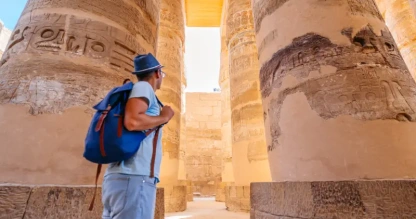
Epic Tour of Turkey and Egypt
Enjoy a 15-day tour of Turkey and Egypt, from Istanbul's landmarks to the Pyramids, Nile cruise, and ancient wonders!
- 15 Days / 14 Nights
- Group Tour

Grand Turkey and Greece Trip
Uncover the magic of two iconic destinations on this unforgettable Turkey and Greece Trip!
- 15 Days / 14 Nights
- Group Tour

Magnificent Turkey and Dubai Tour
Join our 13-day Turkey and Dubai tour to explore Istanbul, Cappadocia, Ephesus, and Dubai's modern wonders and rich culture.
- 13 Days / 12 Nights
- Group Tour

Pearls of Turkey and Egypt Travel Package
Experience 11 days of wonder with our Turkey and Egypt travel package, iconic cities, Nile cruise, and ancient treasures await!
- 11 Days / 10 Nights
- Group Tour
Find Other Blogs

Explore the 10 best things to do in Dubai, from world-famous sights and thrilling adventures to unique cultural experiences for every type of traveler.

Explore the best destinations in Middle East, from ancient wonders to modern marvels, perfect for culture lovers, adventure seekers, and beach fans alike.
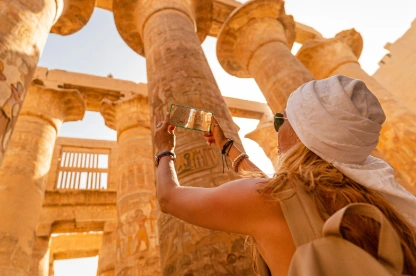
Explore the timeless wonders of Egypt, from ancient pyramids to majestic temples, in this ultimate guide to the country’s most iconic sites.

Explore the magic of Wadi Rum, Jordan’s desert gem filled with red sands, towering cliffs, and unforgettable Bedouin adventures.

Get ready for your trip with these essential Turkey travel tips, covering culture, food, key sights, and must-know advice for first-time visitors!
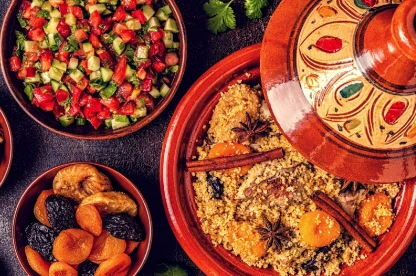
Discover the rich flavors of Moroccan cuisine: tajines, couscous, street bites, and sweet treats you won't want to miss!

Discover the best beaches in Greece, from hidden gems to iconic shores, on unforgettable Greece tours filled with sun, sea, and stories.

Discover the most visited places in Istanbul, including top sites, historic landmarks, and must-see spots in this vibrant city.

Experience the thrill of a Dubai desert safari with dune bashing, camel rides and sunset views in one unforgettable adventure.

Explore the imperial cities of Morocco, Fez, Marrakesh, Rabat, and Meknes and experience rich history, culture, and stunning architecture.
Reviews from our travelers on Trustpilot Feefo


